Game Development
(since 2026)
Schedule
The class is held in the Fall semester. Please confirm the schedule with the official site:
- Monday, 14-16, room N11
- Tuesday, 12-14, room DS1
room N11
Modification of Schedule
The following modifications are applied for the schedule:
- October 21 ADDITIONAL LESSON N11 12-14 (Game Development), N13 16-18 (Computer Graphics)
- October 26 NO LESSON
- October 27 NO LESSON
- November 4 ADDITIONAL LESSON N11 12-14 (Game Development), N13 16-18 (Computer Graphics)
Topics
From a technical point of view, we will study gaming history, basic maths, anatomy of game engines along with real engines (Unreal Engine, Unity, Godot), game design and narrative, gameplay and user interfaces, gaming engagement, backends, privacy, programming, GPU programming (very briefly), animations, physics, networking, and AI.
No textbook is required, but if you want to buy one, "Game Engine Architecture" by Jason Gregory is a very comprehensive book that covers every aspect for an initiation to game development.
Note for Mobile Computing students. The Mobile Computing class has been suppressed, but you may present an application for your exam as before. Please consult the exam section below.
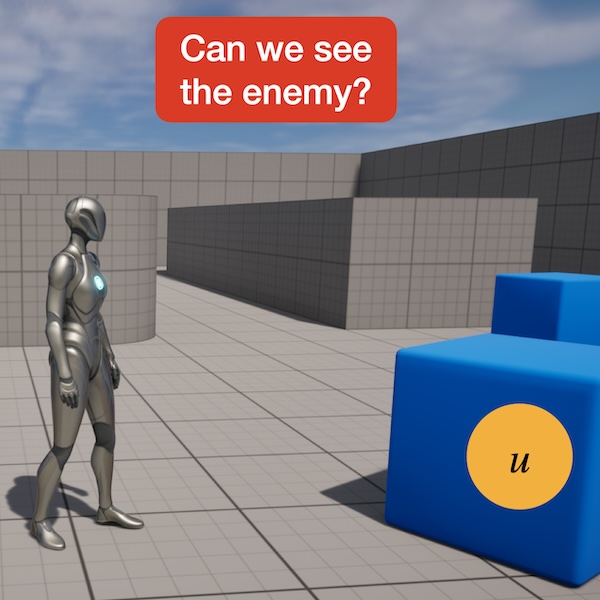 Unreal Engine
 Blueprint Scripting
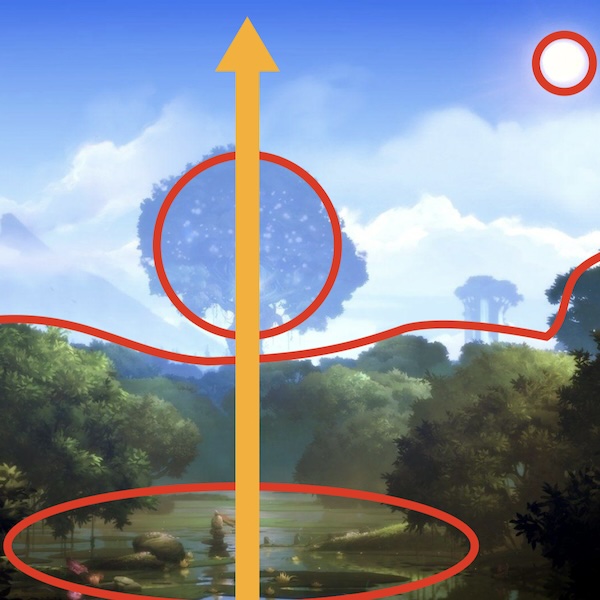 Storytelling
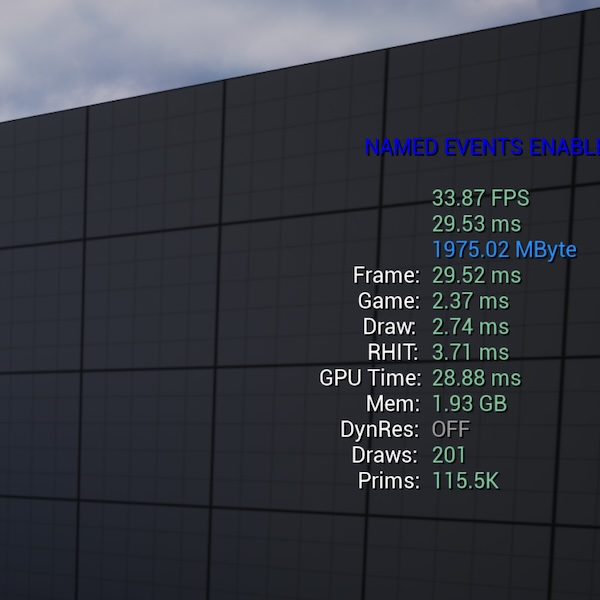 Best Practices
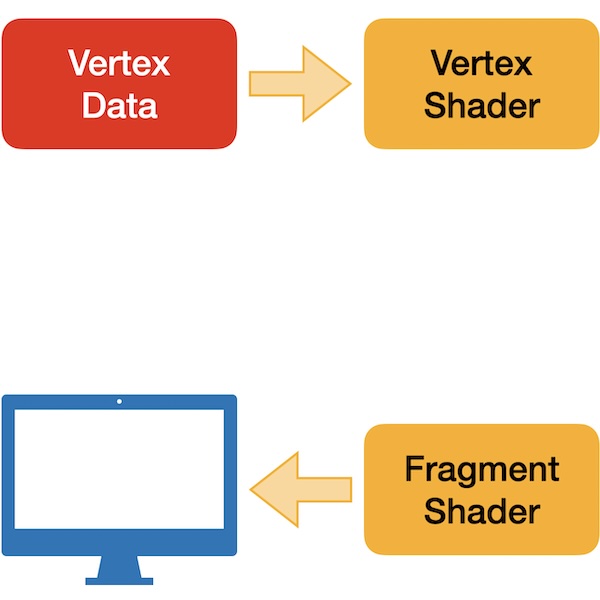 Graphics Pipeline
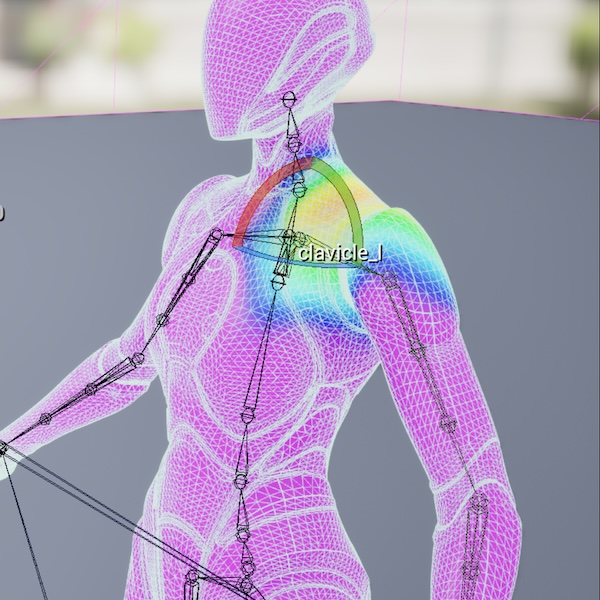 Animations
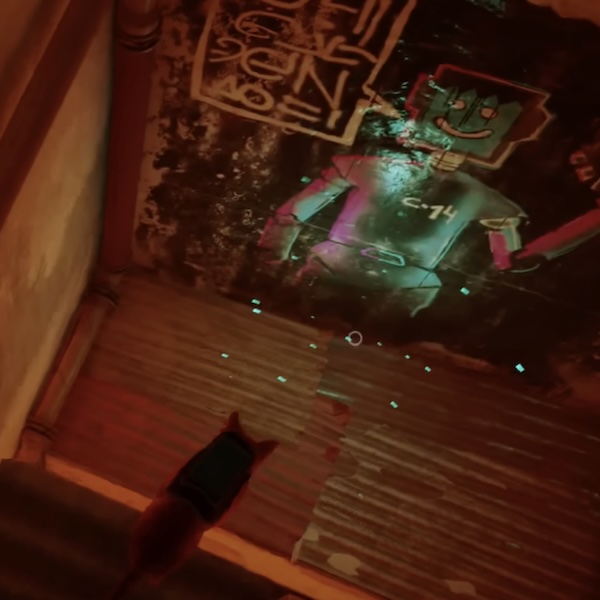 Colors and UI
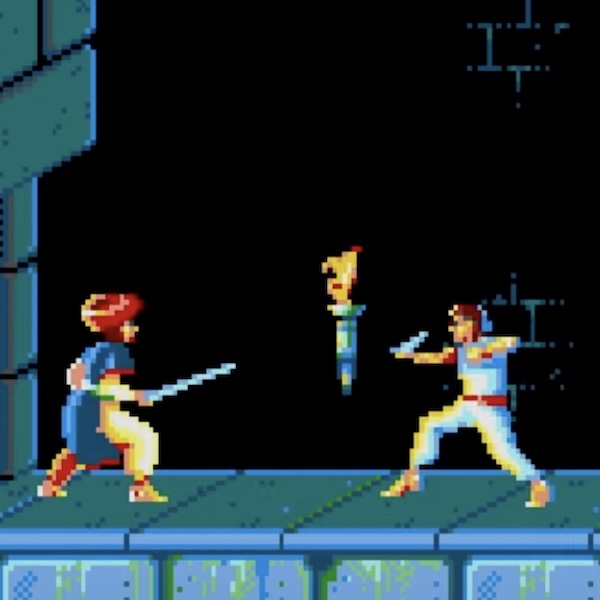 Videogame History
Professional Guests
Let's hear directly from the industry
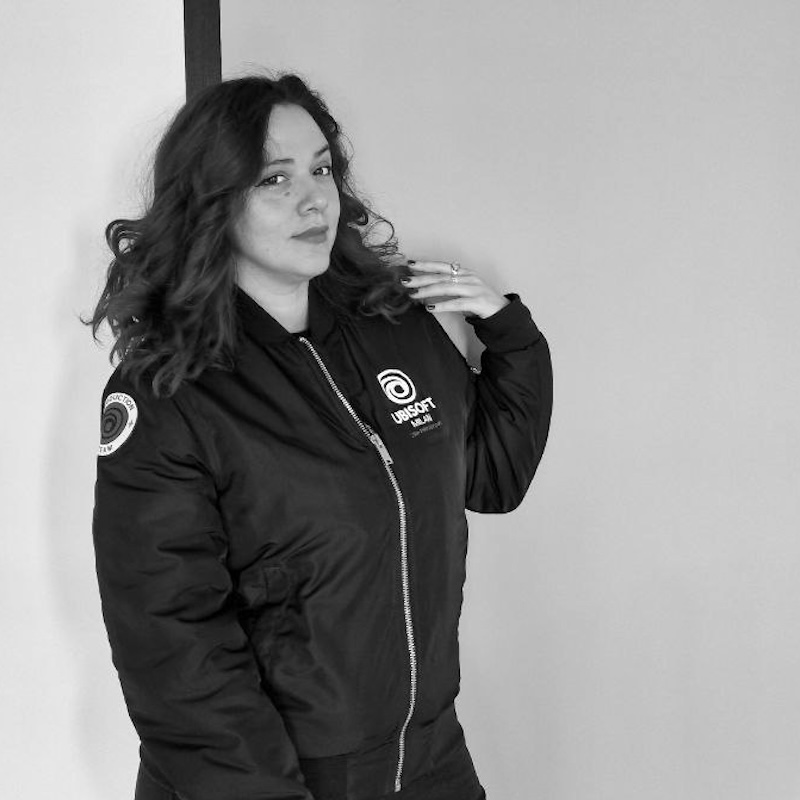
Eleonora Lucheroni
Producer and Business Development Manager in the video game development industry. Since 2021, she has been part of Ubisoft, where she oversees large-scale international projects.

Gabriel Sassone
Principal Rendering Engineer, now at AMD, he worked at studios such as The Multiplayer Group, Avalanche Studios, Ready At Dawn, Codemasters, and others.
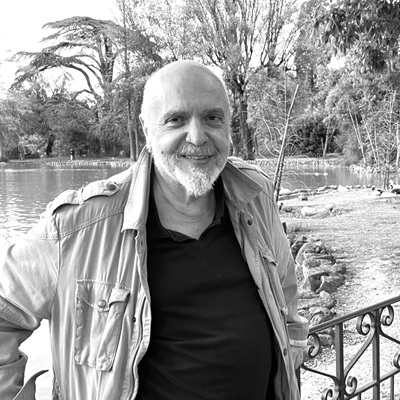
Maurizio Gabrieli
Professor of Composition at Conservatorio Santa Cecilia, president of the Applied Music School, he coordinates the Master on Music for Videogames.
Submit your Exam
Exam Grading
Students will choose a group project (min 1, max 5 persons) and will present their results. One submission per project, not one per student. If you need a suggestions, we will discuss projects and ask for comments and help during the lessons. Do not hesitate to contact me for any other doubt. What will be required: record a live screencast making visible both your product and the game engine project used for the project (show the project highlighting the details you deem important), provide the URL of your git repository, a description, student's university's IDs and names.
Note for old Mobile Computing students only. You will need to develop a multiplatform app (no iOS-only or Android-only), and record a live screencast on a real device, a smartphone or tablet, but no simulators are allowed.
Deadlines
Please enroll in the first possible date for the exam in GOMP, this simplifies a lot the verbalization process.
- Winter session: January 7–February 21;
- Summer session: June 1–July 23;
- Fall session: September 1–September 23.
- November session: November 9–13.
The deadline is here so that, if I encounter an error with GOMP, I will have time to ask for support.